
Among Indonesia’s more than 17,000 islands, Lombok stands out as a destination worth experiencing. The things to do in Lombok, Indonesia, span from morning beach walks to multi-day volcano treks—and this island packs more variety than its more famous neighbour, Bali.
Located between Bali and Sumbawa in West Nusa Tenggara, Lombok offers an idyllic slice of tropical island living that combines outdoor activities with authentic village life in a way few destinations can match. Whether visitors are seeking adventure, relaxation, or cultural immersion, this island has something special waiting.
Here are seven memorable things to do in Lombok.
Table of Contents
Key Takeaways:
- Lombok offers diverse experiences from pristine beaches to challenging volcano treks
- The Gili Islands provide world-class snorkelling and diving opportunities with distinct personalities
- Traditional villages offer cultural immersion and handmade crafts from Sasak artisans
- Lombok’s waterfalls are accessible through jungle treks of varying difficulty levels
- Kuta in Lombok offers peaceful relaxation, unlike its busy Balinese counterpart
- Mount Rinjani is a bucket-list climb (when open) with crater lakes and natural hot springs
- The island remains less touristy than Bali while offering equally stunning natural beauty
- Travel insurance is essential for outdoor activities and limited medical facilities outside main towns
Sunbathe on the Beach
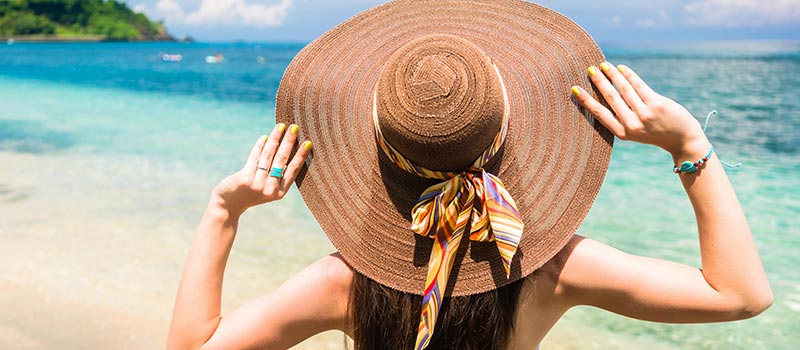
No trip to Lombok is complete without some quality beach time, and fortunately, there are so many beautiful beaches that visitors will be spoilt for choice.
Selong Belanak Beach is perfect for its long stretch of powdery white sand, while Tangsi Beach (also known as Pink Beach) lives up to its name with its rose-tinted shores. Semeti Beach captivates with its dramatic volcanic rock formations that create a rugged, otherworldly landscape.
Even the main tourist beach, Senggigi Beach, isn’t so bad—in fact, it’s ideal for watching spectacular sunsets. Whether visitors want to swim, surf, or simply soak up the sun, Lombok’s beaches provide the perfect backdrop for a tropical escape.
Take a Trip to the Gili Islands
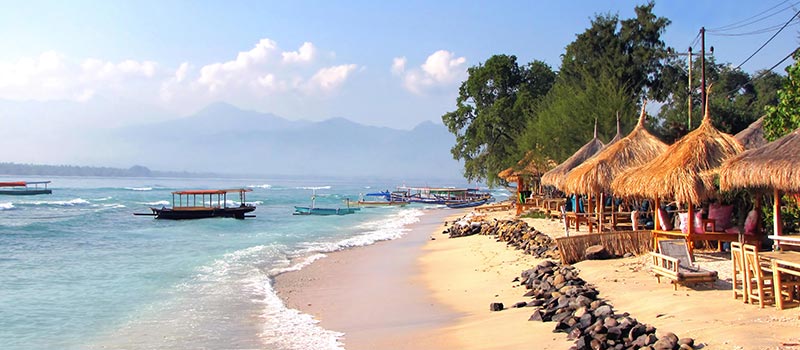
The three Gili Islands are well worth a boat trip, thanks to their pristine beaches fringed with palm trees and crystal-clear waters that make them a perfect snorkelling or scuba diving destination.
Each island has its own distinct personality. The most-visited of these islands is Gili Trawangan, which is also known for its vibrant party scene and lively nightlife.
All three Gilis offer good diving, but Gili Trawangan is the most established diving base, with the largest number of PADI dive schools and the widest variety of dive sites. Gili Air is a strong middle-ground option, with quality snorkelling right off the beach and a calmer atmosphere than Trawangan. Gili Meno, the smallest and quietest of the three, is a favourite amongst honeymooners and travellers looking for stillness rather than nightlife. The island offers a slice of pure serenity that’s perfect for those seeking quiet relaxation.
The islands are car-free, so visitors can get around by bicycle or traditional horse-drawn carts called cidomos, adding to their laid-back charm.
Go Snorkelling or Diving
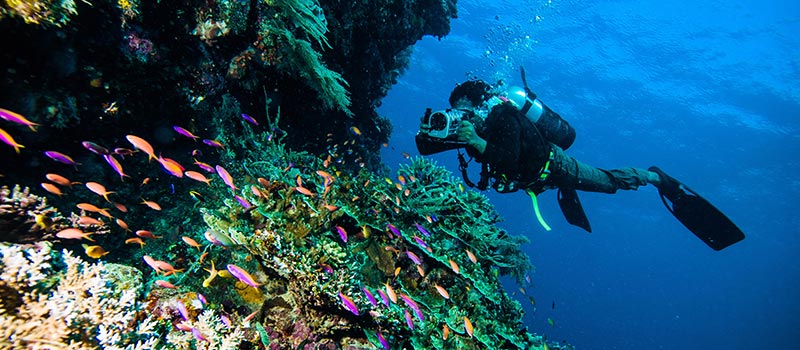
Whether visitors are seasoned scuba divers or just want to see some marine life without having to put in too much effort, Lombok is the perfect location for snorkelling, scuba diving, or even obtaining that PADI certification.
There are many dive schools that organise dive courses and trips, no matter what the experience level. Underwater sites teem with colourful coral reefs, sea turtles, and tropical fish. Visitors should be able to rent snorkelling equipment at dive shops or, if not too particular about quality, at miscellaneous shops, tour operators, and hotels.
The visibility is excellent year-round, and the water temperature is warm enough that divers will feel comfortable even without a full wetsuit.
Trek to a Waterfall
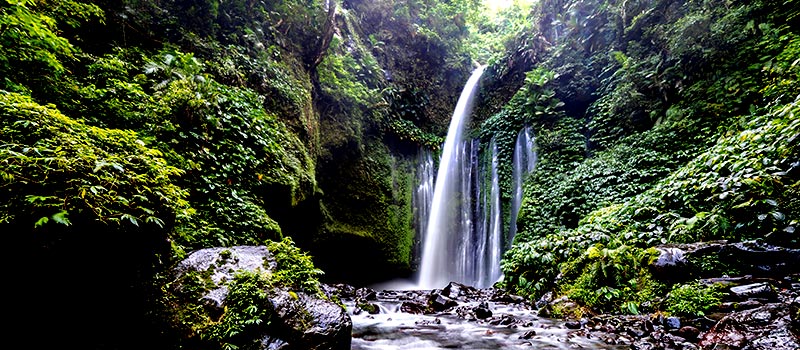
Trekking through the jungle, only to be rewarded by a waterfall tumbling over a rocky cliff, is a thrilling experience that Lombok offers in abundance. Don’t forget a swimsuit for a refreshing swim at the base of the waterfall.
Several stunning waterfalls await exploration. Tiu Kelep Waterfall involves a trek of approximately 45 minutes through verdant forest, and the powerful cascade is absolutely worth it.
Benang Kelambu Waterfall, whose name means “curtain threads,” creates a beautiful curtain of water that visitors can walk behind. Mangku Sakti Waterfall offers a more challenging trek but rewards adventurers with a dramatic multi-tiered cascade.
Each waterfall has its own character, and the journey through the lush jungle is part of the adventure.
Visit a Village
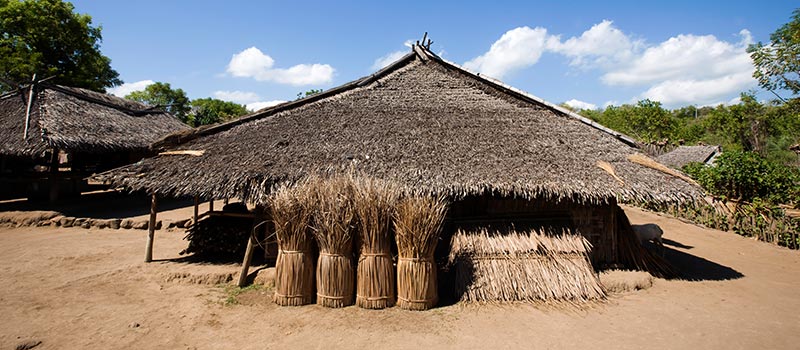
Observing local life in Lombok by visiting a village provides invaluable insight into the island’s rich cultural heritage.
At Sukarara Village in Central Lombok, visitors can witness traditional Sasak textile weaving in action. There are opportunities to participate in weaving workshops and purchase handmade textiles directly from the artisans. It’s a wonderful way to support local craftsmanship while bringing home authentic souvenirs.
Another village worth visiting is Sade, located in Rembitan, Central Lombok. Here, visitors can learn about the indigenous Sasak people’s customs and traditions, including their bale tani architecture—traditional houses with bamboo walls, thatched alang-alang grass roofs, and clay floors polished with buffalo dung (a technique that keeps the floors durable and, surprisingly, odour-free). The villagers are incredibly welcoming and happy to share their way of life with visitors.
Relax in Kuta
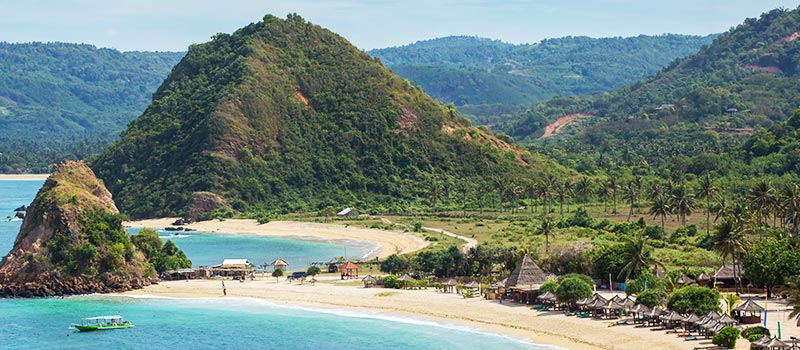
Kuta in Bali is a notorious backpacker party zone, but Lombok’s version couldn’t be more different. In Lombok, Kuta is a peaceful town with some stunning, unspoilt beaches nearby.
Whether visitors want to chill out on the beach, enjoy some fresh coconut, swim in clear waters, or visit some authentic warungs for delicious local food, Kuta offers the peace and tranquillity they seek. Nearby beaches like Tanjung Aan with its unique peppercorn-shaped sand and Mawun Beach, which is sheltered by headlands and feels like a private paradise, are particularly worth exploring.
Unlike its Balinese namesake, this Kuta allows visitors to experience authentic island life at a slower pace.
Climb Mount Rinjani
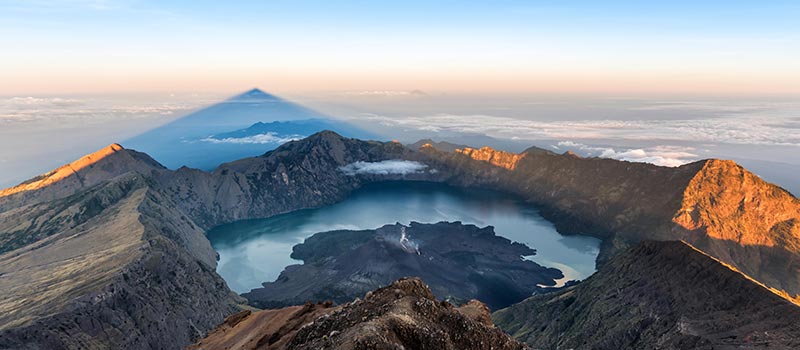
Mount Rinjani, an active volcano, is one of the biggest reasons tourists come to Lombok. The mountain’s national park is closed annually during the rainy season (typically from 1 January to early April) for maintenance and safety reasons. Ad-hoc closures also happen when volcanic activity or weather conditions escalate. Climbers should check the Mount Rinjani National Park Authority’s official announcements or their tour operator before planning the climb.
As climbers ascend Mount Rinjani, they will not only see breathtaking panoramas, but also have the chance to visit Segara Anak, a vast crater lake that shimmers in emerald and turquoise hues. Natural hot springs near the lake offer welcome relief to tired muscles after the challenging trek.
The multi-day trek is physically demanding, but reaching the 3,726-metre summit (Indonesia’s second-highest volcano, after Sumatra’s Kerinci) and watching the sunrise above the clouds is one of the most rewarding experiences available in Indonesia. Be sure to check current conditions and hire an experienced guide before attempting this adventure.
Conclusion
Lombok is one of Indonesia’s under-the-radar destinations, offering a solid mix of natural beauty, outdoor activity, and cultural depth. From the white-sand beaches and colourful underwater world to the challenging trek up Mount Rinjani and the warm hospitality of the Sasak villages, this island has much to offer discerning travellers.
What sets Lombok apart is that it remains relatively undeveloped compared with its more famous neighbour, Bali. Visitors will find fewer crowds, easier interactions with locals, and a real sense of discovery as they move around the island.
Whether seeking adrenaline-pumping adventures or peaceful moments of relaxation, Lombok delivers experiences that will stay with visitors long after they’ve returned home.
Ready to plan your Lombok adventure? Before packing your bags, make sure you’re properly protected with comprehensive travel insurance.
When in doubt, you can chat with HLAS to find out more. Please direct them to the service hotline at 6702 0202 or email service@hlas.com.sg.
Frequently Asked Questions
What’s The Best Time To Visit Lombok?
The best time to visit Lombok is during the dry season, from April to October. May to September offers the most consistent weather with minimal rainfall, making it ideal for beach activities, trekking, and climbing Mount Rinjani. The wet season (November to March) can bring heavy rains, though it’s still possible to visit—just be prepared for occasional downpours and check if activities like volcano trekking are available.
How Do I Get To Lombok From Singapore?
Travellers can fly directly from Singapore Changi Airport to Lombok International Airport (LOP), officially known as Zainuddin Abdul Madjid International Airport, located in Praya in Central Lombok. Scoot operates direct flights on this route (increasing to 10 weekly departures from June 2026), with the average flight time around 2 hours 55 minutes. Alternatively, travellers can fly to Bali (Denpasar/DPS) first and then take a short domestic flight or fast boat to Lombok. The fast boat journey from Bali takes about 2 to 3 hours and can be a scenic option for those with time.
Is Lombok More Expensive Than Bali?
Generally, Lombok is less expensive than Bali for accommodation, food, and activities. Local warungs, guesthouses, and transportation are quite affordable. However, some tourist areas and the Gili Islands can be pricier. Overall, budgets tend to stretch further in Lombok, especially when dining at local establishments and staying in locally-run accommodations.
Do I Need Travel Insurance For A Trip To Lombok?
Yes. Travel insurance is worth having in place before visiting Lombok. The island offers outdoor activities like volcano trekking, diving, and snorkelling that carry a higher-than-average risk profile. Additionally, medical facilities outside the main town of Mataram can be limited, so coverage for overseas medical emergencies and medical evacuation is genuinely important. Travel insurance also covers trip cancellations, lost luggage, and other unexpected events. Note that Singapore-based Medisave and integrated shield plans do not cover overseas medical costs.
What Should I Pack For Lombok?
Travellers should pack lightweight, breathable clothing, a good pair of hiking shoes for trekking, reef-safe sunscreen, insect repellent, a reusable water bottle, and a waterproof bag for boat trips. Don’t forget swimwear, snorkelling gear (if available), and a light rain jacket. If climbing Mount Rinjani, warm layers are essential as temperatures drop significantly at altitude.
About the Author
HL Assurance (HLAS) is a licensed general direct insurer in Singapore and a member of the General Insurance Association (GIA). Backed by the Hong Leong Group (a diversified conglomerate spanning banking, financial services, and investments across Asia, Europe, and beyond), HLAS offers a wide range of personal and commercial insurance products, including travel, motor, home, maid, and personal accident insurance. With a track record of award-winning service and a focus on digital accessibility, HLAS is dedicated to helping individuals and businesses in Singapore protect what matters most.



 Malaysia
 Hong Kong