

Exploring the path less travelled can be an exciting experience, but what happens if a medical emergency strikes in a remote area with limited facilities? That’s where overseas medical evacuation insurance steps in, providing crucial coverage for emergency transport and repatriation even in remote areas.
What Does Evacuation and Repatriation Insurance Cover?
Medical evacuation coverage refers to the transportation of a sick or injured traveller to the nearest suitable medical facility for urgent care. When local medical care is insufficient or simply unavailable, this insurance covers the expenses of getting you to a more advanced hospital or medical centre equipped to handle your condition.
Here’s a closer look at what medical evacuation insurance for international travel typically covers:
- The cost of necessary ground transportation, such as ambulances, to evacuate you from your location to a point of transfer.
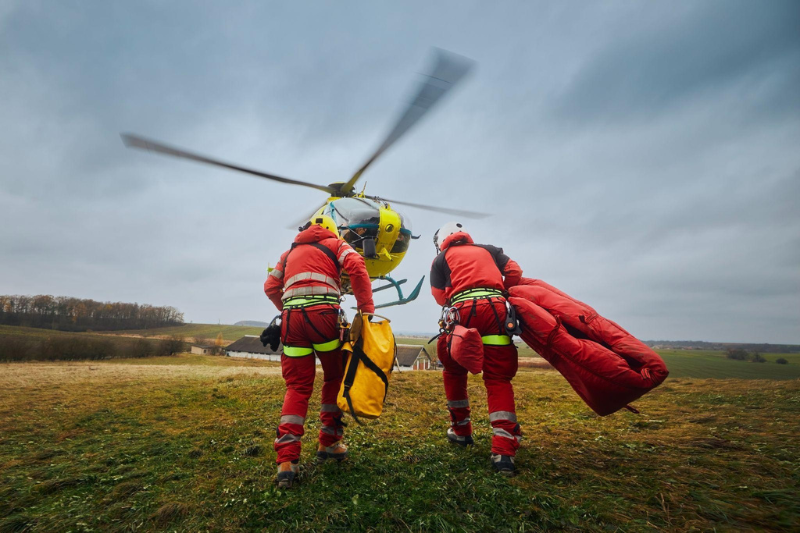
- The expenses associated with air transportation, including the use of airplanes or helicopters, to reach the most appropriate medical facility for your specific needs.
- The cost of essential medication and medical treatment required during the evacuation process itself.
- Medical expenses incurred during the evacuation, which can include initial hospital treatment at the evacuation point and the cost of transportation to the evacuation point.
- The cost of returning the traveler to their home country once they are medically stable, if deemed necessary by medical professionals.
International medical evacuation insurance may also include coverage for repatriation. Repatriation of remains is the process of returning a deceased traveler’s body to their home country. This coverage is incredibly important as it ensures that families are not faced with the significant financial burden of transporting their loved one back home in the event of a death while travelling abroad.
Here’s what’s typically covered under this benefit:
- The cost of transporting the deceased’s body back to their home country.
- Expenses related to the preparation of the body for international repatriation, such as embalming.
- Administrative fees involved in securing the necessary documentation and permits for international transportation.
Why is Medical Evacuation and Repatriation Insurance Important?
- Lack of Medical Infrastructure in Remote Areas: When you travel to more remote or less developed destinations, access to advanced medical facilities can be limited or non-existent, making medical evacuation coverage absolutely essential in a serious health crisis.
- Access to Immediate Emergency Treatment: In situations where local medical facilities are inadequate to handle a severe illness or injury, international medical evacuation insurance ensures you can be quickly transported to a place where you can receive the appropriate and timely emergency treatment you need.
- Offsets the Potentially Enormous Cost of Evacuation: Emergency medical evacuations using air transport such as helicopters can cost tens of thousands of dollars. Without adequate medical evacuation coverage, travellers and their families could face devastating out-of-pocket expenses for evacuation and subsequent medical care.
- Provides Peace of Mind for Families in Case of Death Abroad: In the unfortunate event of a traveller’s death overseas, repatriation insurance ensures that the complex and costly process of returning their remains home is handled professionally without the addition of financial burdens on grieving family members.
What to Look for in a Medical Evacuation and Repatriation Insurance Policy
Learn how to choose the right overseas medical evacuation insurance and get the coverage you need. Keep these factors in mind when making your choice:
- Coverage Limits: Know the maximum amount your policy will cover for both medical evacuation and repatriation of remains. Some policies might have specific limits for air ambulance services or the transportation of a body.
For example, air ambulance costs will be higher if you visit a more remote area, so ensure these limits are sufficient for your travel destinations and the potential costs involved in an emergency.
- Exclusions Due to Risky Activity or Pre-existing Condition: Be aware that many medical evacuation insurance for international travel policies may exclude coverage for evacuations arising from participation in high-risk activities like mountaineering, scuba diving, or certain adventure sports.
Similarly, some insurers might not cover evacuation or repatriation related to pre-existing medical conditions unless specifically included, often as an add-on or with a higher premium.
- Scope of Coverage and Repatriation Terms: Carefully understand the terms and conditions regarding medical evacuation and repatriation.
Ensure the policy covers the return of remains even in the event of non-medical emergencies, where applicable. Additionally, clarify whether the policy covers medical expenses incurred for treatment after you’ve been successfully evacuated to a more advanced medical facility.
How to Choose the Right Medical Evacuation and Repatriation Insurance
In the midst of choosing medical evacuation insurance before you go overseas? Consider this checklist to guide you in finding the coverage that best suits your needs.
- Destination Risk: Evaluate the inherent medical risks of your travel destination. If you’re heading to a remote area with limited medical facilities, like the Amazon rainforest, you’ll want robust medical evacuation coverage.
- Duration: Consider the length of your trip and ensure that the travel policy you choose provides coverage for the entire duration of your travels, from departure to your return home.
- Activities: Think about the types of activities you’ll be participating in during your trip. For example, if you plan on engaging in high-risk activities like scuba diving, mountaineering, or paragliding, you might want to look for a policy that offers an adventure sports coverage add-on.
- Compare Different Insurers: Take advantage of online comparison tools to evaluate various international medical evacuation insurance This allows you to compare coverage limits, exclusions, and premiums from different providers to find the best value and most comprehensive protection for your specific needs.
- Check if the Insurer has a Global Support Network: Look for insurers with a well-established global network of assistance providers. They are more likely to have the resources to support you in more remote areas and cover a wider range of countries.
- Review the Insurer’s Track Record: Research customer reviews and the overall reputation of the insurance company. Look for feedback specifically related to how they handle medical evacuations and the level of support they provide during emergencies to ensure they are reliable and efficient when you need them most.
Additional Considerations When Purchasing Medical Evacuation and Repatriation Insurance
Besides the core coverage, certain additional features can enhance the value and support offered by your overseas medical evacuation insurance policy. You should also consider these quality of life features:
- 24/7 Support: Check that the policy includes round-the-clock emergency assistance services. This ensures you can get immediate help with arranging medical evacuation and treatment no matter the time or your location.
- Coverage for Travel Companions: Consider policies that extend coverage to your travel companions. This can help ensure you’re not separated during a medical crisis.
- Coordination and Communication: Look for insurers who have established protocols for effective coordination and communication with local authorities and medical personnel at the destination you are travelling to. This is vital for arranging timely and efficient evacuations and ensuring a smooth transfer of care.
Get Robust Medical Evacuation Coverage with HLAS
Securing the right overseas medical evacuation insurance is crucial for ensuring your safety and financial well-being when you travel internationally. With HLAS Travel Protect360, you can travel with confidence knowing you have access to unlimited emergency medical evacuation and repatriation coverage should the unexpected happen. Furthermore, HLAS understands individual needs and offers add-on , so you can have tailored protection for your peace of mind.
Frequently Asked Questions About International Medical Evacuation Insurance
Does my standard travel insurance cover medical evacuation?
While most standard travel insurance policies include emergency medical coverage, medical evacuation coverage may be limited or might need to be added as an optional benefit. Always review your policy details carefully.
How do I know if I need medical evacuation insurance?
You should get medical evacuation coverage if you are visiting a remote area with limited medical facilities, or a country with a poor standard of healthcare.
Are there age restrictions for medical evacuation coverage?
While some policies might have age limits for certain benefits, overseas medical evacuation insurance is generally available regardless of age, though coverage and costs can vary. When in doubt, always check the terms and conditions of your policy, or consider looking at specific.






 Malaysia
 Hong Kong