
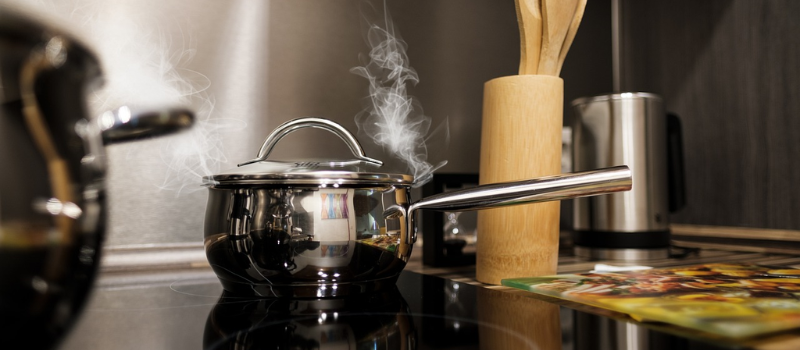
A fire in the kitchen can be one of the most dangerous and devastating experiences a homeowner could face. In Singapore, with our high-rise living and compact home layouts, the risks can be even greater if the right precautions aren’t taken. Fortunately, kitchen fires are preventable if we understand their common causes, adopt good safety practices, and equip our homes with essential fire safety tools.
This comprehensive guide provides everything you need to know to keep your kitchen fire-free. We’ll cover the most common causes of kitchen fires, offer practical safety tips, and highlight the essential equipment you should have in your kitchen to handle emergencies effectively.
Common Causes of Kitchen Fires
Understanding what typically causes kitchen fires is the first step in preventing them. Here are the most common culprits:
- Unattended cooking: One of the leading causes of kitchen fires is leaving cooking food unattended. A simple distraction, such as answering the phone or attending to a child, can lead to a dangerous situation if food on the stove is left unsupervised.
- Flammable materials near heat sources: Items like kitchen towels, paper, and cooking oil can easily catch fire if left too close to a heat source.
- Faulty or misused appliances: Faulty kitchen appliances or using them incorrectly can lead to electrical fires. Frayed cords, damaged plugs, or malfunctioning devices pose significant risks.
- Grease buildup: Over time, grease can build up on stovetops, range hoods, and ovens. This grease is highly flammable, and if not cleaned regularly, it can ignite and cause a fire.
- Overheated oil: Cooking oil can reach a flashpoint if overheated, leading to dangerous flare-ups.
How to Avoid Kitchen Fires
Preventing kitchen fires requires diligence and adopting safe cooking practices. Here are some essential tips to keep in mind:
- Never leave cooking unattended: If you need to step away from the stove, turn off the burner. It’s better to restart cooking than risk a fire.
- Keep flammable items away from heat: Ensure that kitchen towels, paper towels, cooking oil, and other flammable items are kept at a safe distance from stoves, ovens, and other heat sources.
- Maintain clean appliances: Regularly clean your stovetop, oven, and range hood to prevent grease buildup. A clean kitchen is a safer kitchen.
- Use the right cookware: Use pots and pans that are appropriate for the size of your stove burners. Oversized or undersized cookware can lead to uneven heating and increase the risk of accidents.
- Stay alert: Avoid cooking when you’re tired, under the influence of alcohol, or distracted. Cooking requires your full attention to prevent accidents.
- Check appliances regularly: Inspect your kitchen appliances for damaged cords, frayed wires, or other signs of wear and tear. Replace or repair faulty equipment to reduce fire risk.
- Control oil temperatures: When frying, use a thermometer to keep an eye on the temperature of the oil. If it starts to smoke, it’s too hot — turn off the heat immediately.
- Educate your family: Make sure everyone in your household knows the basics of kitchen safety. Teach children to stay away from hot surfaces and appliances, and educate them on what to do in case of a fire.
- Check gas connections: Ensure that gas cylinders are stored in well-ventilated areas, and regularly check the supply hose for any signs of damage or leaks.
- Avoid electrical hazards: Do not overload power sockets, and always turn off electrical appliances when they’re not in use. Keep wires away from hot surfaces and ensure all appliances have the SAFETY Mark certification.
Ensuring Safety In Your Kitchen’s Design And Layout
In addition to the preventive measures above, did you know that the design and layout of your kitchen can also impact fire safety? Here are some important considerations:
- Unobstructed escape routes: Arrange furniture and kitchen partitions to ensure that escape routes are clear. Avoid hoarding or placing plants and furniture in a way that blocks escape corridors or doorways.
- Good housekeeping: Keep your kitchen free from clutter and ensure all wiring is in good condition. Do not overload electrical outlets, as this can increase the risk of electrical fires.
- Hire certified professionals: Always engage licensed or qualified professionals for kitchen design, renovations, and repairs. Using certified products with appropriate safety labels is crucial for maintaining a safe kitchen environment.
Must-Have Fire Safety Equipment For Your Kitchen
To be fully prepared for emergencies, every kitchen should be equipped with essential fire safety tools. Here are some must-have items and tips on how to use them effectively:
Fire extinguisher: A dry chemical fire extinguisher is an essential tool for every kitchen. It can quickly put out small fires before they spread. Ensure your fire extinguisher is easily accessible, and check it regularly to ensure it is in working condition. Remember the PASS technique: Pull the pin, Aim at the base of the fire, Squeeze the handle, and Sweep side to side.
Smoke detector: A smoke detector is crucial for early fire detection. Install a smoke detector in or near your kitchen to provide an early warning in case of smoke. For best results, choose a model with a built-in battery that lasts up to 10 years.
Heat-resistant gloves: Heat-resistant gloves can protect you while moving hot pans or dealing with a small fire. They provide an extra layer of safety when handling potentially hazardous situations.
How to Put Out a Kitchen Fire
Despite our best efforts, accidents can happen. If a fire does break out in your kitchen, follow these steps to stay safe:
- Remain calm: Panic can make the situation worse. Take a deep breath and assess the fire.
- Turn off the heat: If it’s safe to do so, turn off the stove or oven to prevent further escalation.
- Use a fire blanket or extinguisher: For small fires, use a fire blanket to smother the flames or a fire extinguisher if it’s safe to do so.
- Do not use water on oil fires: Pouring water on an oil fire will cause it to spread. Instead, cover the pan with a lid or use a fire extinguisher.
- Evacuate if necessary: If the fire is too large to handle, evacuate immediately and call 995 for emergency assistance. Do not try to be a hero — your safety is the priority.
Making Kitchen Safety a Priority
Kitchen fires are a serious threat, but they are preventable with the right knowledge and tools. By understanding the common causes of kitchen fires, following best safety practices, and equipping your kitchen with essential fire safety devices, you can greatly reduce the risk of a fire occurring in your home.
In addition, you can consider getting fire insurance for additional protection. While HDB flats in Singapore are required to have fire insurance if there is an HDB loan involved. This basic fire insurance covers the cost of reinstating damaged internal structures, fixtures, and areas built and provided by HDB in the unfortunate event of a fire. However, it does not cover home contents such as furniture, renovations, and personal belongings.
For homeowners looking for more comprehensive protection, investing in additional fire insurance like HL Assurance’s Property Protect360 is highly recommended. Property Protect360 extends beyond the coverage provided by HDB fire insurance, offering the following benefits:
- Protection against multiple perils: Covers damages caused by fire, floods, vehicle impact, water leaks, and other risks.
- Coverage for fixtures and fittings: Includes protection for fixtures and fittings such as kitchen units, built-in cabinets, and bathroom suites that are installed after purchasing your property.
- Professional fees and debris clearance: Reimbursement for costs incurred when hiring architects, engineers, or surveyors to restore your home. It also covers the cost of debris removal after an insured event.
- Water leakage protection: Provides coverage against water damage caused by leaking pipes, water systems, roof gutters, and downpipes.
By opting for Property Protect360, homeowners can have peace of mind knowing that their property is fully protected from various perils, not just fire-related incidents.






 Malaysia
 Hong Kong