
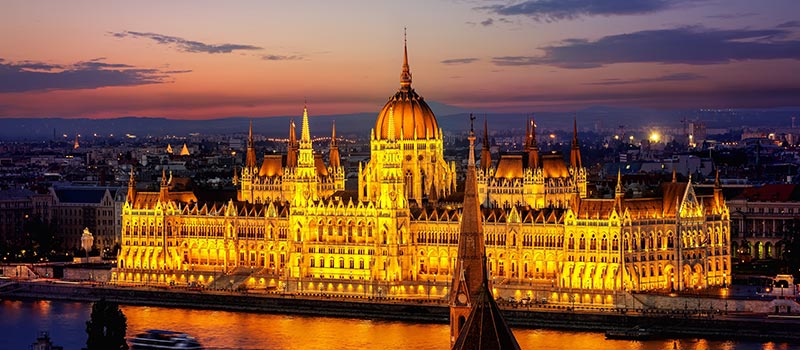
The Hungarian culture and language are startlingly different from those of the surrounding nations. And Budapest is like no other capital in Central Europe, with a striking beauty that has earned it the nickname “Paris of the East”. This magnificent city captivates travellers from around the world with its unique blend of history, architecture, and culture.
Here are some must-dos when visiting Budapest.
Table of Contents
Key Takeaways:
- Gellért Hill offers the best panoramic views of Budapest’s stunning landscape
- UNESCO-listed Buda Castle Quarter is essential for history and architecture enthusiasts
- Széchenyi Baths provide an authentic thermal spa experience in a neo-baroque setting
- The Hungarian State Opera House is a world-class venue for ballet and opera performances
- Local Hungarian eateries offer authentic, budget-friendly cuisine like goulash and stuffed cabbage
- Travel insurance is essential before visiting Hungary to protect against unforeseen circumstances
Marvel at the View of Buda and Pest from Gellért Hill
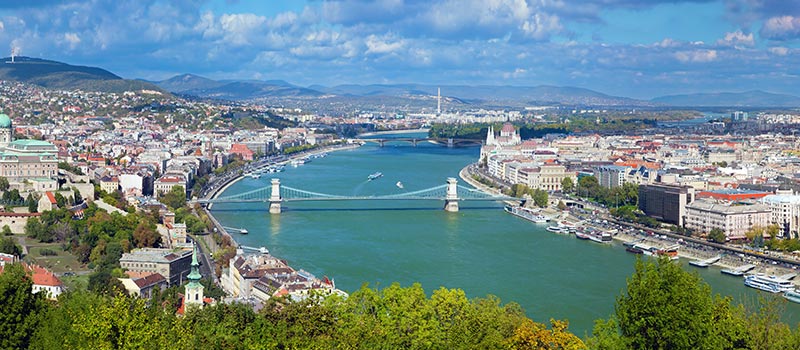
One of the best views in Budapest can be had from the top of Gellért Hill (Gellért-hegy in Hungarian), a 235-metre-high rocky outcrop rising on the Buda side of the city. This is a separate hill from the more famous Castle Hill (Várhegy), which sits further north and houses the Buda Castle Quarter. From here, visitors can see both Buda and Pest from above, with the Danube River flowing majestically between them.
Pest lies on the eastern bank of the Danube and Buda on the western. Previously separate cities, Buda and Pest were unified together with Óbuda in 1873 to form Budapest.
Gellért Hill is also a romantic place to watch the sunset as the city lights up on the banks of the shimmering waters of the Danube. The evening view is particularly breathtaking.
Wander Around the UNESCO-listed Inner Buda
While you could easily spend weeks in Budapest, if you are short on time, a walk around the UNESCO-listed Buda Castle Quarter (Várnegyed) should be at the top of your list.
Inscribed on the UNESCO World Heritage list in 1987 under the title “Budapest, including the Banks of the Danube, the Buda Castle Quarter and Andrássy Avenue,” this area is home to Buda Castle, Matthias Church, and the Fisherman’s Bastion. Note that Budapest’s Roman ruins are located separately in the Óbuda district, at the Aquincum archaeological site—a short metro ride north of the Castle Quarter, and well worth a visit for history enthusiasts.
Have a Soak at the Széchenyi Baths
Thermal baths are a big feature of life in Budapest, with the Széchenyi Baths being the most popular for good reason. Housed in a distinctive yellow palace built in 1913 in a mix of Neo-Baroque and Neo-Renaissance styles, the baths are said to be beneficial for those with skin conditions, muscle pain, or arthritis. The complex has 18 pools in total, including outdoor thermal pools where locals famously play chess in the steam.
If you have already soaked at Széchenyi and want a less touristy experience, Dandár Baths in the Ferencváros district (District 9) is a favourite amongst locals. Built in the 1930s, it is a smaller, more modest facility with a distinctly retro character. Rudas Baths, built during the Ottoman era in the 16th century, is another strong alternative with a historic Turkish-style dome and rooftop hot tub.
Don’t forget to bring along a swimsuit, a towel and flip flops, and feel free to opt for a spa treatment such as a massage or pedicure if you feel like spoiling yourself. The thermal waters are incredibly relaxing after days of sightseeing.
Go to the Opera or Ballet at the Hungarian State Opera House
Hungary is historically one of the major producers of classical music, with composers Franz Liszt and Béla Bartók being amongst its most famous exports.
There is no better place to attend a classical concert or go to the ballet or opera, thanks to the magnificent Neo-Renaissance Hungarian State Opera House. They have a packed list of events comprising mostly opera and ballet, as well as occasional instrumental and choral concerts.
Visitors can also opt for a classical concert at one of the city’s many concert halls, including the Vigadó Concert Hall, Liszt Music Academy and Erkel Theatre, just to name a few.
Try Hungarian Cuisine

There is no better place to sample Hungarian cuisine than Budapest, thanks to the proliferation of eateries catering to every budget. Hearty and tasty classics like töltött káposzta (stuffed cabbage) and gulyás (goulash) are widely available and highly recommended.
If you’re on a budget, avoid the fancy restaurants in favour of a small local eatery with no English menu—a surefire sign that it caters to locals rather than tourists. Some of the best meals can be found at these hidden gems.
Conclusion
Budapest lives up to its reputation as the “Paris of the East.” From the panoramic views atop Gellért Hill to the thermal baths, from the architectural richness of the Buda Castle Quarter to the world-class performances at the Hungarian State Opera House, this city has plenty to offer in a short visit. Don’t forget to spend time enjoying the local cuisine and wandering through the historic streets. Budapest is a destination that tends to stay with visitors long after they return home.
Ready to plan your Budapest adventure? Make sure you’re properly protected before you go.
Buy Travel Insurance
Before heading to Hungary, protect yourself with travel insurance from HL Assurance. Visit our website to compare various travel insurance plans and find the best one for your trip.
When in doubt, you can chat with HLAS to find out more. Please direct them to the service hotline at 6702 0202 or email service@hlas.com.sg.
Frequently Asked Questions (FAQs)
How Do I Get To Budapest From Singapore?
There are currently no direct flights between Singapore and Budapest, so a one-stop connection via a European hub like Frankfurt (Lufthansa), Zurich (Swiss), Doha (Qatar Airways), or Istanbul (Turkish Airlines) is the usual route. Total flight time is typically around 15 to 18 hours depending on the connection. From Budapest Ferenc Liszt International Airport (BUD), the city centre is roughly 20 to 30 minutes away by taxi or the 100E Airport Express bus.
What Is The Best Time Of Year To Visit Budapest?
The best time to visit Budapest is during spring (April to May) or autumn (September to October) when the weather is pleasant and the crowds are smaller. Summer can be hot and crowded, while winter offers a magical atmosphere with Christmas markets, though temperatures drop significantly.
How Many Days Do I Need To Explore Budapest?
Spending at least 3-4 days in Budapest is recommended to see the main attractions without feeling rushed. This gives visitors enough time to explore both Buda and Pest, visit the thermal baths, enjoy the cuisine, and experience the cultural offerings like opera or concerts.
Do I Need To Speak Hungarian To Get Around Budapest?
While Hungarian is the official language, many people in the tourism industry speak English, especially in hotels, restaurants, and major attractions. However, learning a few basic Hungarian phrases can enhance the experience and is always appreciated by locals.
Are The Thermal Baths Suitable For Children And Elderly Visitors?
Yes, most thermal baths in Budapest, including Széchenyi, are suitable for all ages. However, water temperatures vary across different pools, so check the signage. Some pools may be too hot for young children. Most facilities are accessible, though some historic baths may have limited accessibility features.
About the Author
HL Assurance (HLAS) is a licensed general direct insurer in Singapore and a member of the General Insurance Association (GIA). Backed by the Hong Leong Group (a diversified conglomerate spanning banking, financial services, and investments across Asia, Europe, and beyond), HLAS offers a wide range of personal and commercial insurance products, including travel, motor, home, maid, and personal accident insurance. With a track record of award-winning service and a focus on digital accessibility, HLAS is dedicated to helping individuals and businesses in Singapore protect what matters most.



 Malaysia
 Hong Kong