
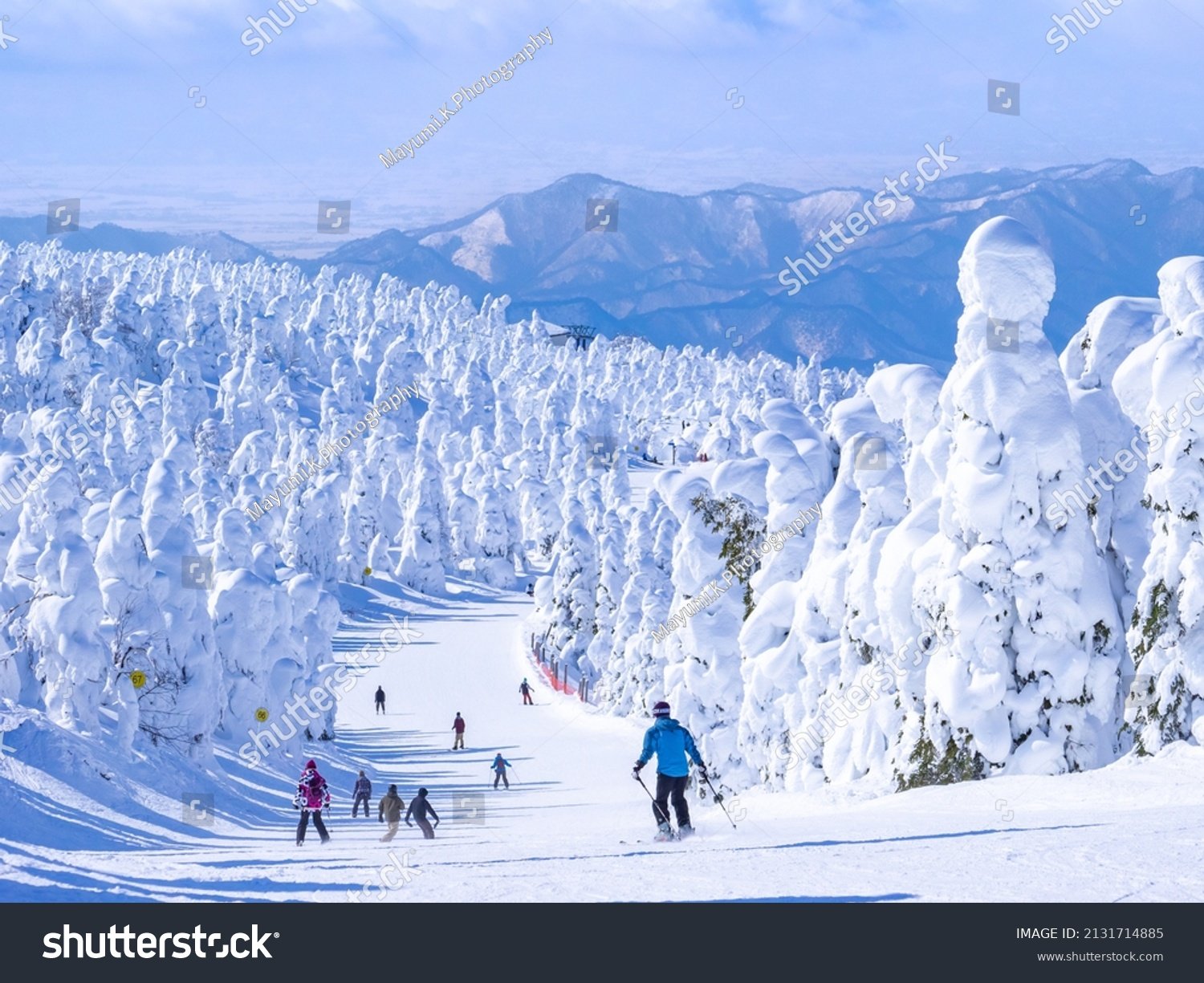
The slopes are an exhilarating experience, especially for those from tropical climates like Singapore, which rarely see snow.
However, as exciting as skiing and snow sports are, there are a few insurance tips you’ll need to understand before shopping for your ski equipment.
With skiing comes a precarious new environment. High-altitude, snowy terrain, though breathtaking, poses a potential hazard that travel insurance companies have already accounted for.
We want to ensure you have the right ski travel insurance before you hit the slopes. Choosing a policy requires more than just looking at the price. You need to understand how the details protect you when you are on the mountain.
Before we dive in, it’s worth noting that many travellers misunderstand what their policy actually covers (and doesn’t). You can read more in our piece on common travel insurance misconceptions.
Key Takeaways
- Winter sports carry high physical and financial risks, ranging from emergency medical treatments for fractures to expensive helicopter evacuations from remote peaks.
- You should verify that your policy includes off-piste coverage if you plan to ski outside of marked trails or in the backcountry.
- Comprehensive plans can reimburse you for prepaid, non-refundable expenses, such as lift passes and ski school fees, if an injury cuts your trip short.
- Personal liability coverage is a necessity to protect your assets in the event you accidentally collide with and injure another skier.
Risks and Costs Associated with Winter Sports
Skiing and snowboarding involve speeds and environments that increase your exposure to physical risk. If you travel without ski trip insurance, you could face high out-of-pocket costs should something go wrong on the slopes.
Some of the common costs and risks include:
- Medical expenses for treating bone fractures or head injuries.
- Emergency helicopter evacuation from a remote mountain location.
- Costs to replace or repair lost or damaged ski equipment.
- Legal fees if you accidentally collide with and injure another person.
- Loss of non-refundable costs like lift passes or pre-paid ski lessons.
6 Things to Compare Before Choosing a Ski Travel Insurance
When comparing policies, look for features that match how you plan to ski. Winter sports coverage varies widely from one insurer to another, and even within the same insurer across plan tiers, so it’s worth understanding what each policy includes, excludes, and limits.
Here are six points we recommend reviewing before you commit.
1: The Scope of Skiing Activities Covered
Most standard travel insurance plans cover leisure skiing and snowboarding on marked, prepared trails (pistes), and this suits the vast majority of holiday skiers.
However, certain higher-risk activities are typically excluded from standard travel policies across the industry, including off-piste and backcountry skiing, ski racing, ski jumping, and the use of bobsleighs or skeleton sledges. If you plan to take part in any of these, you’ll generally need a specialist winter-sports policy or an extension, since they fall outside the scope of most mainstream travel cover.
Before you travel, read the policy wording carefully (or ask the insurer directly), so you have a clear picture of what’s included.
2: Emergency Medical Evacuation
If you’re injured on the mountain, two costs can stack up quickly: medical treatment and getting you to that treatment.
- Medical coverage handles your hospital and treatment costs once you’re admitted.
- Emergency medical evacuation covers the cost of transporting you off the mountain to a suitable medical facility, by ambulance, and, where medically necessary, by helicopter. A helicopter evacuation can run anywhere from S$10,000 to S$50,000, depending on the terrain and the distance involved.
A strong travel insurance policy should include emergency medical evacuation as a core benefit, with a generous limit, so you’re not left exposed to a five-figure rescue bill.
3: Personal Equipment Considerations
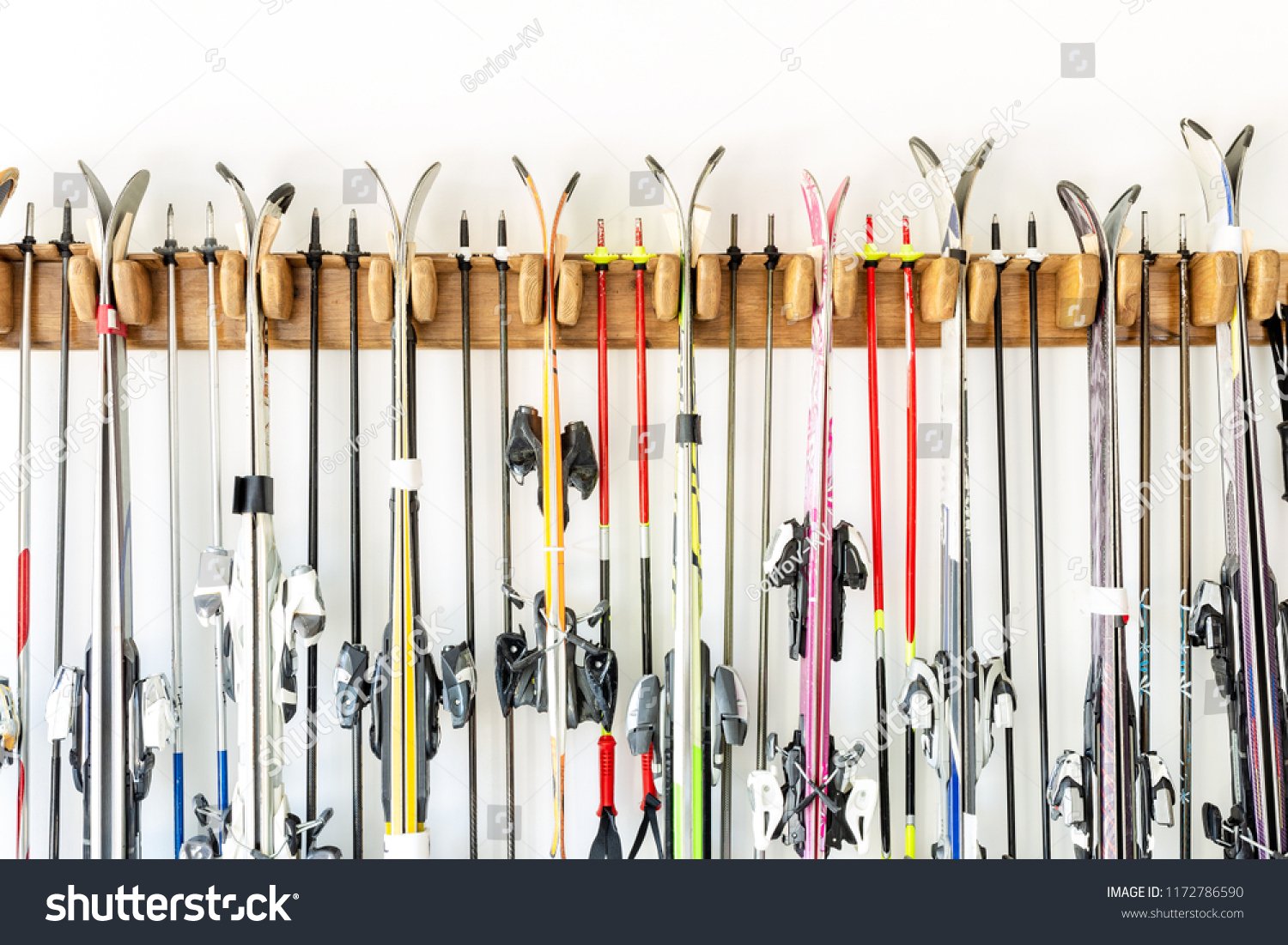
Ski gear is expensive, and it’s worth being clear about what your policy covers before you travel.
Most travel insurance policies treat your own ski equipment as part of your personal baggage, subject to the policy’s baggage and personal effects benefit. Pay attention to the single-article limit, the maximum payable for any one item, which may not match the full replacement cost of a premium pair of skis or a high-end snowboard.
A few things to keep in mind across the industry:
- Hired or rented equipment is generally excluded from baggage cover. If you’re renting, ask the rental shop about their own damage waiver or insurance.
- Equipment damaged during use (e.g., while you’re actively skiing) is typically not covered either; most policies only respond to theft or accidental loss while in your care.
- You’ll need to take reasonable precautions to secure your gear, such as using a locked ski rack rather than leaving skis unattended outside a lodge.
Understanding these baseline conditions helps set realistic expectations for any claim.
4: Reimbursement
If illness or injury cuts your trip short, or if circumstances at the resort change unexpectedly, a comprehensive travel policy should help you recover prepaid, non-refundable costs.
The standard route here is trip curtailment cover, which reimburses you for unused portions of your trip when you have to return home early for a covered reason such as an injury, illness, or family emergency. Depending on the policy, this may include items such as prepaid accommodation, transport, and tours.
Some specialist winter-sports policies go a step further and add benefits like lift-pass refunds, ski-school reimbursement, or a daily allowance if the pistes are closed due to bad weather or insufficient snow. These are usually found on dedicated ski insurance products rather than standard travel plans, so check the policy wording or ask the insurer if these are important to you.
5: Trip Curtailment and Disruption Cover
Accidents on a busy slope often involve other people. If you’re found responsible for an incident that injures another skier or damages their property, legal and compensation costs can be substantial.
A solid travel insurance policy should include personal liability cover with a meaningful limit, typically several hundred thousand dollars, to protect your assets in case a claim is brought against you.
6: Plan Tier, Limits, and Exclusions
Finally, the headline benefits only tell part of the story. Two policies can both advertise “winter sports cover,” but differ significantly in:
- Overall medical limits, and whether sub-limits apply to specific treatments
- Age bands and any age-related restrictions on certain activities
- Excess (deductible) amounts payable per claim
- General exclusions, such as participation in competitive or professional events, alcohol-related incidents, or pre-existing medical conditions (some insurers, including us, offer add-ons for this)
Reading the policy wording, or speaking to the insurer before you buy, is the most reliable way to confirm that a plan fits the trip you’re actually planning. For a broader walkthrough, see our ultimate travel insurance guide.
Get Comprehensive Travel Insurance Today!
We offer Travel Protect360 to give you peace of mind while you enjoy the slopes. Our plans are designed to meet the needs of Singaporean travellers.
When you choose us, you benefit from:
- No Medical Sub-limits: On selected plans, we do not impose sub-limits on medical expenses, ensuring you get the full benefit of your coverage.
- Overseas Hospital Cash Benefit: We provide a cash benefit for every 24 hours you’re confined in a hospital overseas.
- Compassionate Visit: We cover compassionate visits so that solo travellers can have loved ones join them if something happens during their trip.
Secure your skiing travel insurance today with HL Assurance’s Travel Protect360. Contact us at service@hlas.com.sg or +65 6702 0202 and inquire about our comprehensive travel insurance, and ski with confidence.
Frequently Asked Questions
Is there an age limit for winter sports coverage on your travel insurance?
While our standard travel insurance covers travellers of most ages, certain winter sports activities may have age restrictions for those over 70.
Are competitive winter sports or professional ski races covered?
Our policies are designed for leisure and recreational skiing or snowboarding. We do not provide coverage for participation in professional sports, organised races, or any competition involving speed trials or time trials.
What should I do if my rented skis are stolen from outside a mountain restaurant?
Hired or rented sports equipment generally falls outside the baggage cover of most travel insurance policies, including ours, because it isn’t your own personal property. That said, here’s what we recommend:
- Report the theft promptly to the local police or resort authorities and request a written report. The rental shop will usually require this before they can process the matter on their end.
- Notify the rental shop as soon as possible and check the terms of your rental agreement. Many rental shops offer their own damage and theft waivers (sometimes included in the hire fee, sometimes as an optional add-on), which is typically how rented gear is protected.
- Keep all documentation, the police report, your rental agreement, and any receipts — in case you need them for follow-up with the rental shop or your card issuer.
For your next trip, it’s worth asking the rental shop up front about their theft and damage waiver options and taking precautions such as using a locked ski rack whenever you step away from your gear.
Does the policy cover my gear if I leave it unattended in a public area?
We do not cover equipment left unattended in a public place, such as outside a lodge, unless it is placed in a locked ski rack. You must take all reasonable precautions to secure your gear to ensure your claim for theft or loss is successful.
Author Bio:
HL Assurance (HLAS) is a licensed general direct insurer in Singapore and a member of the General Insurance Association (GIA). Backed by the Hong Leong Group — a diversified conglomerate spanning banking, financial services, and investments across Asia, Europe, and beyond — HLAS offers a wide range of personal and commercial insurance products, including travel, motor, home, maid, and personal accident insurance. With a track record of award-winning service and a focus on digital accessibility, HLAS is dedicated to helping individuals and businesses in Singapore protect what matters most.




 Malaysia
 Hong Kong