
About the Author
HL Assurance (HLAS) is a licensed general direct insurer in Singapore and a member of the General Insurance Association (GIA). Backed by the Hong Leong Group (a diversified conglomerate spanning banking, financial services, and investments across Asia, Europe, and beyond), HLAS offers a wide range of personal and commercial insurance products, including travel, motor, home, maid, and personal accident insurance. With a track record of award-winning service and a focus on digital accessibility, HLAS is dedicated to helping individuals and businesses in Singapore protect what matters most.
AI Summary:
This guide covers the top five places to visit in Vienna, Austria, each showcasing a different side of the city’s baroque splendour and cultural depth. The Habsburg palaces of the Hofburg and Schönbrunn reveal the dynasty’s opulence through lavish apartments, imperial treasures and manicured gardens. The Spanish Riding School continues over 450 years of classical equestrian tradition with its famed Lipizzaner horses. The Belvedere houses Austria’s finest art collection, including Gustav Klimt’s “The Kiss” at the Upper Belvedere. The Vienna State Opera House anchors the city’s musical heritage, closely associated with composers like Mozart, Schubert, Haydn and Strauss. Together, these landmarks offer travellers an unforgettable journey through centuries of European history, art and music. Comprehensive travel insurance is recommended for peace of mind on any European trip.
Table of Contents
Vienna was once the capital of one of the world’s biggest and most powerful empires. Today, the city still dazzles with magnificent architecture and lush gardens.
Here are five places no visitor to Vienna should miss.
Key Takeaways:
- Vienna’s imperial heritage is best experienced through its five iconic attractions: the Hofburg, Schönbrunn Palace, Spanish Riding School, Belvedere Palace, and Vienna State Opera House
- The city offers unparalleled baroque architecture, world-class art collections, and classical music heritage, having been home to Mozart, Schubert, and other legendary composers
- Each major attraction requires several hours to explore properly, so plan at least three to four days for a comprehensive Vienna visit
- Advance booking is essential for popular experiences like Spanish Riding School gala performances and opera productions, and helps avoid queues at major palaces during peak season
- Vienna offers options for various budgets, from free gardens and standing room opera tickets to luxurious palace tours and gala performances
- Travel insurance provides important protection and peace of mind for your European adventure
The Hofburg
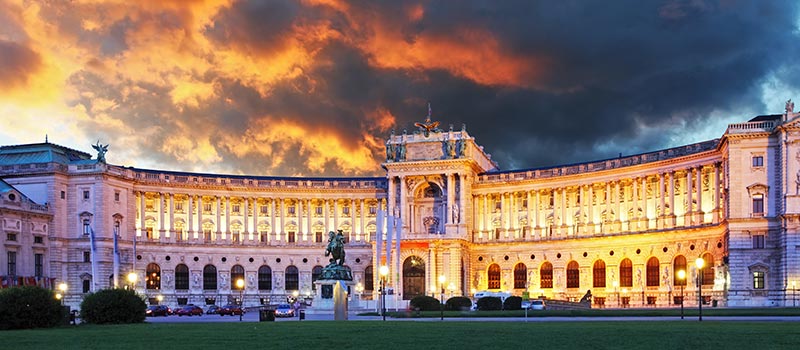
Address: Michaelerkuppel, 1010 Wien, Austria
The imposing Hofburg once served as the imperial palace during the Habsburg dynasty and is today the official residence of the President of Austria. This enormous palace complex comprises the Imperial Apartments and Imperial Treasury, as well as several smaller museums containing everything from historic musical instruments to ancient Egyptian papyrus.
One must-see attraction within the complex is the Sisi Museum, dedicated to the life and interests of the enigmatic Empress Elisabeth. The museum provides fascinating insights into the empress’s unconventional personality, her obsession with beauty and fitness, and her tragic fate. Visitors can explore the lavishly decorated imperial rooms where the Habsburg family once lived, dined and entertained European royalty.
The Hofburg also houses the Imperial Treasury, which contains some of the most important medieval treasures in Europe, including the Imperial Crown of the Holy Roman Empire. The sheer scale and opulence of the Hofburg offers a compelling glimpse into the power and wealth of one of history’s most influential dynasties.
Schönbrunn Palace
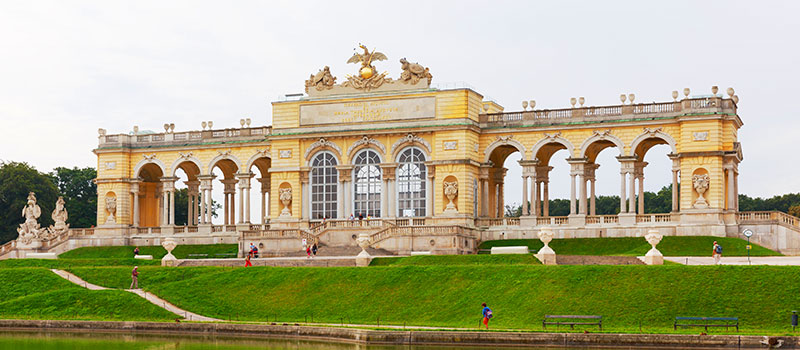
Address: Schönbrunner Schlossstraße 47, 1130 Wien, Austria
The Schönbrunn Palace served as the principal summer residence during the Habsburg Dynasty and remains one of Vienna’s most visited attractions. This stunning baroque palace is full of sumptuous rooms and manicured gardens that offer insight into how one of the most powerful ruling families in the world spent their leisure time.
Visitors can witness the private apartments of the imperial family as well as the grandiose staterooms where diplomatic receptions and grand balls took place. The palace’s 1,441 rooms include highlights such as the Great Gallery, with its elaborate ceiling frescoes and crystal mirrors, and the Napoleon Room, where the French emperor stayed during his occupation of Vienna.
The palace grounds are equally impressive, featuring beautifully landscaped gardens, fountains, and the famous Gloriette monument perched on a hill overlooking the estate. There is also a Children’s Museum which offers a glimpse into the lives of the royal children, including the infamous Marie Antoinette, who spent her childhood here before becoming Queen of France. The palace zoo, the oldest in the world, is also located on the grounds and makes for an enjoyable addition to your visit.
Spanish Riding School
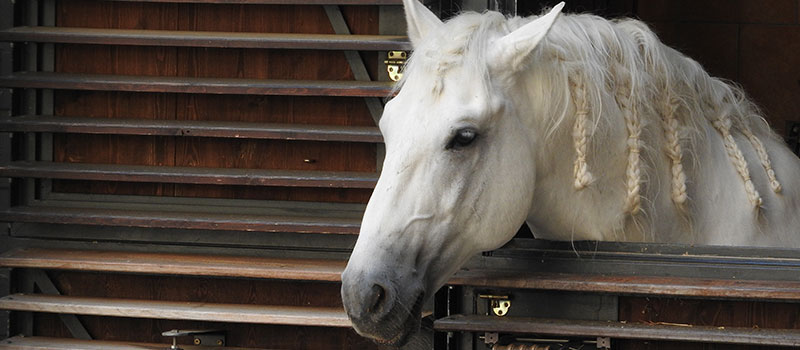
Address: Michaelerplatz 1, 1010 Wien, Austria
The Spanish Riding School is Austria’s foremost classical horse riding academy and one of the world’s most prestigious equestrian institutions. This unique attraction has been training riders and Lipizzaner horses in the classical dressage tradition for over 450 years, making it a living link to Vienna’s imperial past.
Visitors can watch morning training sessions several times a week, providing a fascinating opportunity to see these magnificent white horses and their riders perfecting their craft. The horses perform intricate movements and jumps that demonstrate the pinnacle of equestrian skill and training. With some advance planning, it is possible to coordinate your trip to coincide with one of their sumptuous gala performances, where the horses perform to classical music in full ceremonial tack. However, tickets for these performances usually sell out months in advance, so early booking is essential.
It is also possible to take a guided tour of the riding school and stables, where you can learn about the history of the institution, meet the Lipizzaner horses up close, and see where these remarkable animals are trained and cared for.
Belvedere Palace
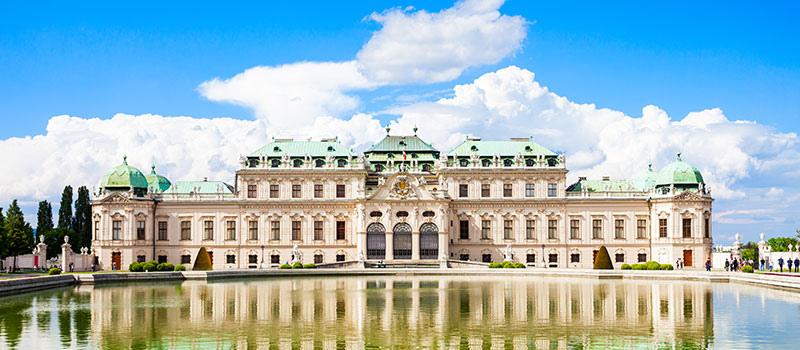
Address: Prinz Eugen-Straße 27, 1030 Wien, Austria
Yet another historic building complex, this time dedicated to art. The Belvedere Palace is composed of two palaces, the Upper and Lower Belvedere, as well as the Orangery and the Palace Stables. All are stunning examples of baroque architecture set within beautifully designed gardens that offer spectacular views over Vienna.
The Belvedere Palace is home to one of the world’s most important collections of Austrian art, spanning from the Middle Ages to the present day. The highlight for many visitors is the biggest collection of Gustav Klimt paintings on earth, including his masterpiece “The Kiss”, one of the most recognisable paintings in the world. Other notable Austrian artists represented include Egon Schiele and Oskar Kokoschka.
The Medieval Treasury contains the Belvedere’s medieval art collection, featuring religious sculptures, panel paintings, and decorative arts. The Lower Belvedere and Orangery are dedicated to temporary exhibitions, showcasing everything from contemporary art to historical retrospectives. The palace gardens themselves are free to explore and provide a peaceful retreat in the heart of the city.
Vienna State Opera House
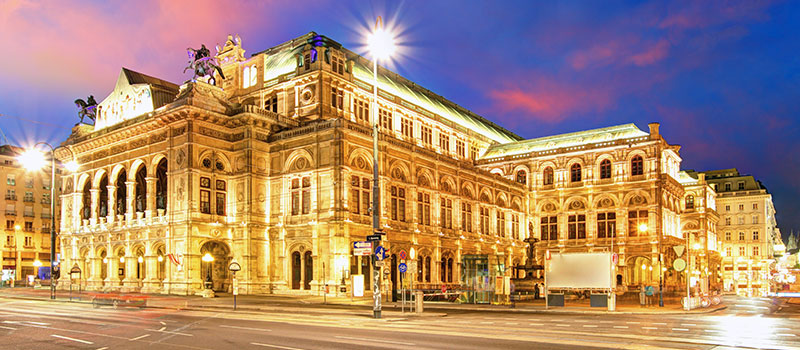
Address: Opernring 2, 1010 Wien, Austria
Austria is one of the world’s most important classical music destinations, having been the birthplace of heavyweights such as Mozart, Schubert, Haydn, and Strauss. Vienna’s musical heritage permeates every corner of the city, but the grandest venue of them all is without a doubt the Vienna State Opera House.
This magnificent neo-Renaissance building opened in 1869 and has been the centrepiece of Vienna’s cultural life ever since. Each year, the opera house stages about 350 performances, including operas and ballets, featuring world-class singers, dancers, and orchestras. The resident Vienna Philharmonic Orchestra, which performs in the opera house pit, is one of the world’s most celebrated ensembles.
It is well worth attending a performance at the opera house, not least because the interior of the theatre itself is dazzling. The auditorium features ornate decorations, a magnificent chandelier, and excellent acoustics that make every performance memorable. Even if opera is not typically your preference, the combination of musical excellence, theatrical spectacle, and architectural beauty makes for an unforgettable evening. Standing room tickets are available at affordable prices for those on a budget, allowing everyone to experience this cultural icon.
For those who cannot attend a performance, guided tours of the opera house are available daily and provide fascinating insights into the building’s history, architecture, and behind-the-scenes operations.
Making the Most of Your Vienna Visit
Vienna offers a remarkable combination of imperial history, world-class art, and musical heritage that few cities can match. These five attractions represent the very best the city has to offer and should form the core of any visit to Austria’s elegant capital.
Before embarking on your Austrian adventure, we recommend protecting yourself with comprehensive travel insurance from HL Assurance. Compare our various plans to find the perfect coverage that gives you peace of mind throughout your European travels.
When in doubt, you can chat with HLAS to find out more. Please direct your enquiries to our service hotline at 6702 0202 or email us at service@hlas.com.sg.
Frequently Asked Questions (FAQs)
How Many Days Do I Need To Explore Vienna Properly?
We recommend spending at least three to four days in Vienna to visit the main attractions without rushing. This allows time to explore the major palaces, attend an opera or concert performance, enjoy the city’s famous café culture, and perhaps take a day trip to the nearby Wachau Valley wine region.
What Is The Best Time Of Year To Visit Vienna?
The best times to visit Vienna are during spring (April to May) and autumn (September to October), when the weather is mild and the tourist crowds are smaller. Vienna’s Christmas markets, which typically run from mid-November to 26 December, are also spectacular and create a magical atmosphere, though the city is noticeably busier during this period. Summer can be hot but offers the longest days for sightseeing.
Do I Need To Book Tickets In Advance For Vienna’s Attractions?
For popular attractions like Schönbrunn Palace and especially for Spanish Riding School gala performances, advance booking is highly recommended and often essential. The Vienna State Opera House performances also tend to sell out well in advance for popular productions. Standard entry to most palaces and museums can often be purchased on the day, but booking ahead saves queuing time and guarantees entry during peak season.
Is Vienna An Expensive City To Visit?
Vienna is moderately expensive compared to other European capitals, roughly on par with cities like Munich or Amsterdam. Accommodation and dining in the city centre can be pricey. That said, tourist cards like the Vienna City Card offer discounts on public transport and selected attractions, and there are plenty of free attractions to enjoy, including the city’s beautiful parks, gardens and architectural landmarks. Traditional coffee houses offer good value, and standing-room tickets at the opera house make world-class performances accessible on almost any budget.
Can I Get By With English In Vienna?
Yes, English is widely spoken in Vienna, particularly in tourist areas, hotels, restaurants, and major attractions. Younger Austrians generally speak excellent English. However, learning a few basic German phrases such as “Guten Tag” (hello), “Danke” (thank you), and “Bitte” (please) is appreciated by locals and enhances your travel experience. Museum audio guides and information are typically available in English.



 Malaysia
 Hong Kong